
Why convenience creates demand and how to evaluate the neighborhood one street, building, apartment, and price at a time
In real estate, convenience may not be glamorous. But it can be one of the most defensible drivers of demand.
San Francisco does not compete with Ocean Reef Islands on privacy, Santa María on controlled luxury, Punta Pacífica on waterfront recognition, or Costa del Este on master planning. Its advantage is usability.
Parque Omar, restaurants, supermarkets, schools, clinics, offices, shopping, and other central districts fit into ordinary routines here. That convenience attracts families, professionals, relocating buyers, and long-term or executive tenants for different reasons. In investment terms, demand doesn’t depend on one landmark or one buyer profile.
But San Francisco changes materially from one block to the next. Buying the neighborhood name is not enough. The decision should move in sequence: Neighborhood → Street → Building → Apartment → Price. That framework separates a useful address from an asset worth owning.
Where San Francisco Is in Panama City
San Francisco lies east of central Bella Vista and south of Río Abajo, with Punta Pacífica and the Bay of Panama nearby. The name refers to both a corregimiento and a neighborhood so San Francisco listings can cover a wide area. The exact spot is important. Living next to Parque Omar feels different from living near Calle 50, Vía Porras, or the busier areas close to Multiplaza.
Because San Francisco is centrally located, residents are close to many of Panama City’s main job centers, shops, healthcare, and other neighborhoods. Avenida Balboa, Obarrio, Punta Pacífica, Coco del Mar, and the banking district are all within reach without traveling from the outskirts, though traffic can make drive times vary a lot.
San Francisco officially became a corregimiento in 1926, growing out of the older San Francisco de la Caleta community into one of the city’s busiest urban areas. This history explains why the neighborhood has such a mix of buildings. It wasn’t built all at once; instead, people added houses, apartments, offices, restaurants, and towers over many years.
Convenience Creates Demand
San Francisco’s investment case is not built on a single landmark or one type of buyer. It is built on repeated use. Groceries, school runs, offices, healthcare, fitness, dining, and Parque Omar sit inside ordinary routines. When a neighborhood solves enough daily problems for enough residents, its demand base becomes broader than demand tied to one amenity.
Some parts of San Francisco are more walkable than others. Near the park and on streets with lots of restaurants, many places are close together. But big roads, heat, rain, uneven sidewalks, and traffic mean that many people still use cars or ride-shares. If you’re buying, try out the route from the property to the places you’ll use, instead of just checking the map.
The neighborhood is changing, too. In 2026, Panama City updated San Francisco’s zoning rules as part of its land-use plan after a public process. For buyers, zoning isn’t just a policy on paper. It affects future building density, allowed uses, traffic, the look of the streets, and what might be built next to your home.
Parque Omar and the Value of Open Space
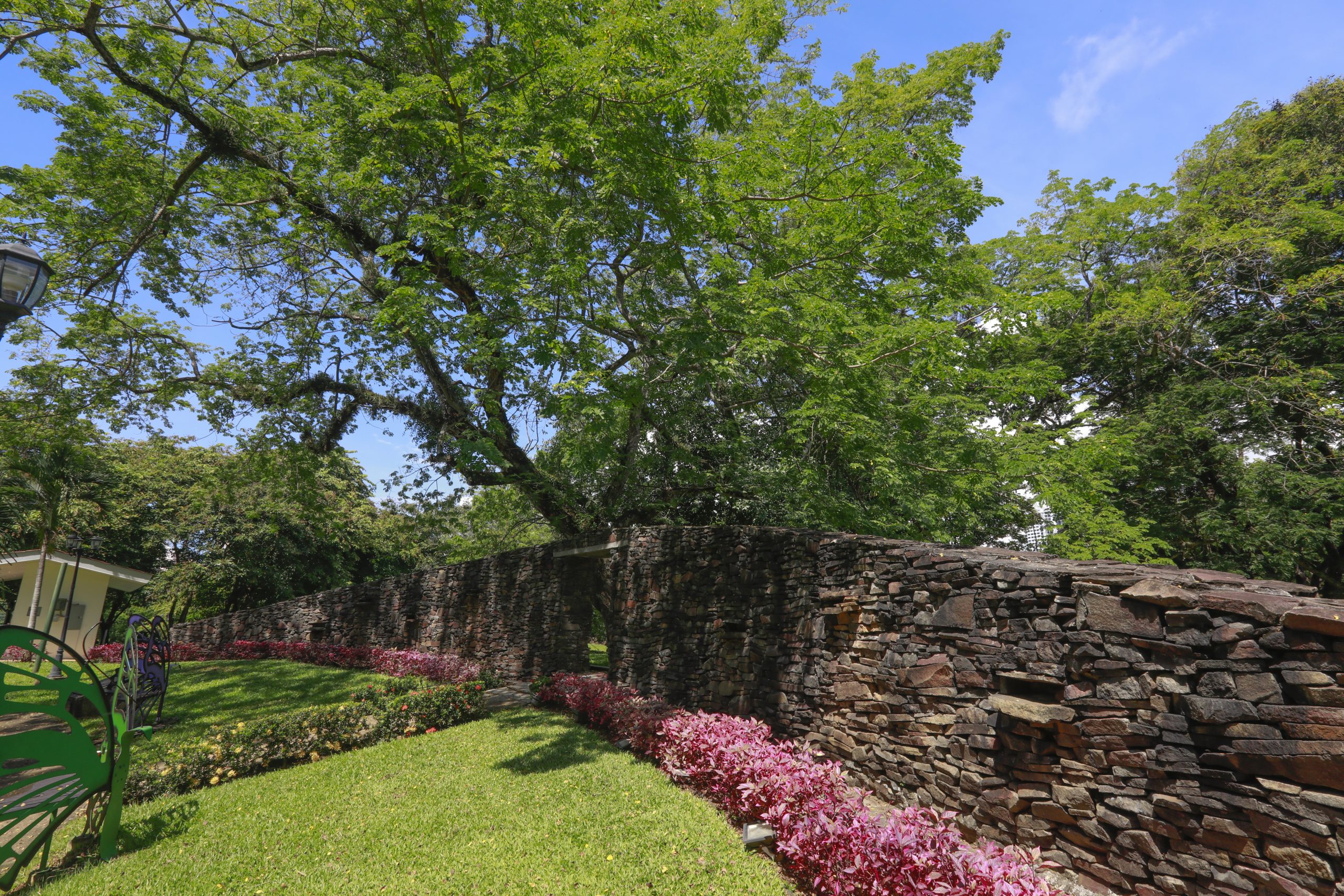
Parque Recreativo y Cultural Omar is San Francisco’s main public space. The park covers over 50 hectares in the middle of the neighborhood and offers space for walking, running, cycling, sports, cultural events, kids’ activities, and just spending time outside. It’s unusually large for central Panama City.
For people living here, the park is a practical benefit. You don’t have to drive to the waterfront for a morning walk. Families can enjoy recreation close to home. Dog owners, runners, and apartment residents all get a big shared space that lets them spend more time outdoors.
Being close to Parque Omar can make a property more attractive, but ‘near the park’ can mean different things. Buyers should check the walking route, see which entrance is most convenient, and think about road noise, events, nearby construction, and whether the home really has a good view. A park view and park access are two different benefits.
Restaurants, Cafes, and Everyday Culture
San Francisco is one of Panama City’s main dining areas. The restaurants aren’t all in one spot. Instead, chef-led places, casual restaurants, bakeries, coffee shops, bars, and delivery kitchens are spread throughout the neighborhood, so residents have more options than in most residential areas.
Maito has put the neighborhood on the international food map by offering a modern take on Panamanian ingredients and identity. Cantina del Tigre brings a more casual, lively spin on local flavors. Many other options are nearby, including Japanese, Mediterranean, Latin American, vegetarian, cafés, and comfort food.
So many restaurants shape the neighborhood’s character and boost rental demand, but they also bring trade-offs. Living above or next to a busy spot means easy access, but also more deliveries, evening activity, traffic, and music. Buyers should visit at night as well as during the day to get the full picture.
Shopping, Healthcare, and City Access
San Francisco is near Multiplaza Pacific, one of the city’s main luxury shopping and dining spots. Supermarkets, pharmacies, gyms, banks, and smaller shops are found throughout the neighborhood. Private hospitals and clinics in Punta Pacífica and other central areas are also close by.
Major roads like Calle 50, Vía Israel, Vía Porras, and routes to the Corredor Sur run through the area. This makes getting around easier, but traffic is still a fact of life here. Living centrally can shorten trips, but it doesn’t always make them faster. Buyers should try out their routes to school, work, and the airport at the times they’ll actually travel.
What It Is Like to Live in San Francisco
Life in San Francisco feels urban, lively, and pretty self-sufficient. Homes are mixed in with the services people need, not separated from the rest of the city. Mornings start with commuters and school traffic. In the afternoons, the park and cafés get busy. Evenings are more about restaurants and socializing.
The neighborhood’s feel changes from one street to the next. Some blocks are mostly residential, with older homes and big trees. Others have apartment towers, ground-floor shops, or ongoing construction. This variety lets buyers pick the version of city living they prefer, but it also means it’s important to check out each block in person.
San Francisco is a good fit for people who want to enjoy city life without having to travel far for daily errands. It’s less suited for those looking for a gated community, total separation from businesses, or a consistently quiet setting.
San Francisco Panama Real Estate
San Francisco contains one of central Panama City’s widest mixes of apartment stock: older two- and three-bedroom residences, renovated family homes, compact new units, penthouses, park-facing apartments, and pre-construction options. That variety creates choice, but it is also why neighborhood averages can mislead.
Older buildings may offer larger bedrooms, service areas, separate kitchens, balconies, and a lower price per square meter than newer luxury districts. But size is only an asset when the building can support it. Review management, reserves, elevators, water systems, generator coverage, parking, insurance, and the exterior and roof. A large apartment in a poorly managed building is not necessarily a good deal—even at an attractive price per square meter.
Newer buildings often emphasize efficient layouts, rooftop amenities, co-working, wellness features, smart-home technology, and smaller units. They may suit professionals and investors, but newness is not a substitute for differentiation. Buyers should test usable space, storage, parking, fees, delivery risk, rental rules, and how many similar units will compete for the same tenant.
Established Buildings and New Developments
A key advantage in San Francisco is the ability to compare evidence with promise. In a finished building, buyers can inspect the actual view, elevators, common areas, maintenance history, resident profile, and management. A new project may offer current systems and amenities, but the developer, contract, delivery schedule, specifications, and expected operating costs require separate scrutiny.
Several current projects show the variety of new options. Be Living, near Parque Omar, will have one- and two-bedroom units with rooftop spaces, wellness areas, co-working, and smart features. The Hub on Calle 74 offers compact studios and two-bedroom lock-off units with hotel-style shared spaces. X The Building on Calle 73 focuses on one- and two-bedroom units with modern amenities. Euphoria Residences, in the Art District near Multiplaza, will add larger two-bedroom layouts and flexible floor plans.
Project names, timelines, features, prices, and availability may change. Marketing materials are the start of diligence, not the conclusion. The investment question is not whether a project looks compelling at launch; it is why this apartment will still be chosen once the building is delivered and competing units reach the market.
Is San Francisco a Good Real Estate Investment?
San Francisco can support an investment case because its demand is broad rather than singular. Local professionals, international residents, families, executives, students, and medical workers may all consider the neighborhood, depending on the property. Centrality, dining, services, and Parque Omar create the demand pool; they do not make every unit equally investable.
The best investments are usually specific, not generic. For example, a large, renovated family apartment near the park appeals to a different group than a small furnished unit near Calle 50. Lock-off layouts can be flexible, but they depend on building rules and management. Older units may offer more space, while new projects compete with design and amenities.
Investors should underwrite realistic rent, vacancy, fees, maintenance, management, furnishing, insurance, taxes, and resale competition. The neighborhood creates the demand pool. The street, building, apartment, and acquisition price determine whether a particular asset captures it.
San Francisco Compared With Other Panama City Neighborhoods
Compared with Costa del Este, San Francisco trades master-planned predictability for centrality and a more organic mixed-use environment. Compared with Punta Pacífica, it gives up waterfront recognition and some address liquidity, but can offer local dining, Parque Omar, and more interior space at a given acquisition price.
Santa María offers controlled luxury through golf, security, landscaping, and newer products. Ocean Reef Islands offers an irreplaceable private-island and marina proposition. Casco Viejo offers historic scarcity with a very different operating and diligence profile. San Francisco’s case is less theatrical: convenience creates demand.
No Panama City market is best in the abstract. The decision depends on intended use. For buyers whose lives are organized around centrality, Parque Omar, services, dining, and multiple tenant profiles, San Francisco can be compelling, but only if the asset passes the five-step test.
Who Should Consider San Francisco
San Francisco is especially well suited to:
- Primary residents who want groceries, restaurants, fitness, healthcare, and everyday services nearby
- Families and active residents who expect to use Parque Omar regularly
- Relocation buyers seeking an established neighborhood rather than a self-contained enclave
- Investors targeting broad long-term, furnished, or executive rental demand
- Value-conscious buyers comparing larger established apartments with newer compact units
San Francisco is less suited to buyers who want a private marina, a gated golf community, a fully master-planned district, or direct oceanfront. Its value comes from access rather than controlled exclusivity, and that value must be confirmed at the block and building level.
Why Buy or Live in San Francisco
Convenience creates demand because people use it repeatedly. A resident may notice a view at certain moments; they may notice a shorter school run, a nearby park, an easy grocery stop, or a close appointment every week. San Francisco’s strongest assets convert that everyday utility into preference.
That does not make every San Francisco property investable. A desirable block can contain a weak building. A well-run building can contain an inefficient apartment. An attractive apartment can still be overpriced. The framework must be followed in order: neighborhood, street, building, apartment, and price.
The reason to buy or live here is not generic centrality. It is the possibility of matching a specific street, building, and residence to a routine that people already want. When those layers align, San Francisco’s usability becomes more than a lifestyle benefit; it becomes a clearer basis for long-term demand.
Victoria Levitam C., Managing Partner
Please tell us how you intend to use the property —primary residence, second home, investment, or long-term hold—and we’ll help you compare Panama markets and properties that fit that objective.
Frequently Asked Questions
Is San Francisco Panama a Good Place to Live
- Yes, particularly for residents who value central access, restaurants, services, and Parque Omar. Because the experience changes block by block, buyers should evaluate San Francisco in order: neighborhood, street, building, apartment, and price.
What Is San Francisco Panama Known For
- San Francisco is known for Parque Omar, one of the capital’s major urban parks, as well as a dense restaurant scene, established residential towers, central access, and a mix of homes and commercial services.
Is San Francisco Panama Walkable
- Parts of the neighborhood are walkable, especially around Parque Omar and clusters of restaurants and services. Walkability is uneven across larger avenues, and heat, rain, sidewalks, and traffic mean many residents also use cars or ride-share services.
What Types of Homes Are Available in San Francisco
- The market is primarily apartments, ranging from older large-format family residences to modern one- and two-bedroom condominiums, penthouses, park-facing units, and pre-construction developments. Detached homes exist but are less central to the mainstream market.
Is San Francisco Good for Real Estate Investment
- It can be, but the neighborhood name is only the first filter. Results depend on the street, building management, apartment layout, rental rules, operating costs, acquisition price, and competition. You shouldn’t apply one rent or vacancy assumption across San Francisco.
Is San Francisco Good for Families
- San Francisco can work well for families because of Parque Omar, schools and services in the surrounding city, larger apartments in established buildings, and central access. Assess traffic, parking, building amenities, and the route to a specific school individually.
How Does San Francisco Compare With Costa del Este
- San Francisco is older, more central, and more organically mixed; its thesis is that convenience creates demand. Costa del Este is newer and master-planned; its thesis is that predictability has value. The better fit depends on the buyer’s routine and intended use..