
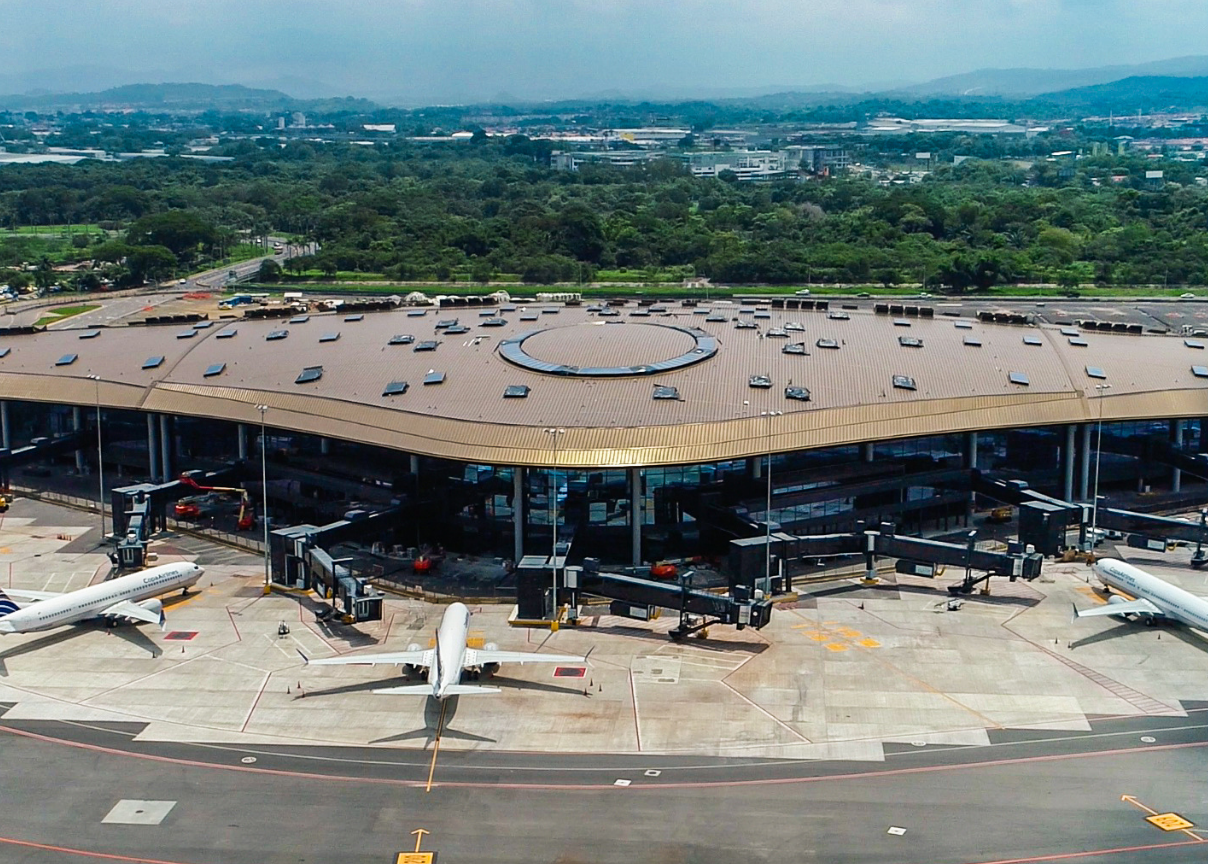
Record visitor growth, global expat rankings, luxury hospitality, serious restaurants, and five UNESCO World Heritage properties are changing how international buyers understand Panama.
For decades, Panama was explained through what passed through it.
Ships. Cargo. Capital. Business travelers changing planes.
That description is becoming incomplete.
In the first half of 2026, Panama welcomed 1,755,998 international visitors, up 17.4% from the year before and the country’s strongest first-half tourism performance in years.
At the same time, InterNations named Panama the world’s best country for expats for the third year in a row. International hotel chains are expanding outside the capital. Panamanian restaurants are gaining regional praise. UNESCO now lists five World Heritage sites in the country.
These are different indicators, and they should not be forced into a single statistic. Together, however, they describe the same shift.
Panama is no longer being discovered only for what connects through it. People are choosing it for what exists inside it.
Why Is Tourism Growing So Quickly in Panama?
Panama’s tourism growth is not based on one beach, one resort corridor, or one season.
The country has a well-connected capital, two coastlines, island groups, mountain cloud forests, a strong convention scene, historic areas, protected ocean environments, and one of the world’s most famous engineering landmarks.
That variety allows Panama to serve several travel markets at once:
- Business and convention travelers using Panama City as a regional base.
- Luxury travelers seeking private islands, boutique hotels, and high-service resorts.
- Nature-focused visitors traveling to Coiba, Darién, Bocas del Toro, or the Chiriquí highlands.
- Cultural travelers exploring Casco Antiguo, Portobelo, and Panama’s colonial routes.
- Relocation and second-home buyers using an initial visit to compare neighborhoods and lifestyles.
Visitor numbers for the first half of 2026 matter because they show lasting growth, not just a short-term bounce back. Panama is drawing more people and more reasons to visit.
Luxury Hospitality Is Expanding the Map
Panama’s luxury hospitality story used to be concentrated heavily in Panama City. The capital still anchors the market, with historic-luxury, international business, and lifestyle hotels serving Casco Antiguo, the waterfront, and the financial district.
But the more interesting change is geographic.
Hotel La Compañía del Valle, part of Hyatt’s Unbound Collection, opened in El Valle de Antón in 2025, bringing a well-known hotel brand to a volcanic mountain town. On the Caribbean side, places like Nayara Bocas del Toro and La Coralina Island House offer resort stays focused on water, privacy, and the islands. On the Pacific side, Islas Secas is a private island getaway in the Gulf of Chiriquí.
These properties are not interchangeable.
That is the point.
One country can now offer a historic city visit, a volcanic wellness retreat, a Caribbean overwater stay, and a remote Pacific island trip. Hotels are helping travelers see that Panama is not just one place. It is several very different places within one easy-to-explore area.
Panama’s Culinary Reputation Has Moved Beyond Potential
A true destination eventually builds a food scene that goes beyond hotel restaurants.
Panama has reached that stage.
Six Panamanian restaurants appeared in the extended 1–100 ranking for Latin America’s 50 Best Restaurants 2025. Maito ranked No. 18 and Cantina del Tigre ranked No. 47, placing both inside the primary top 50. La Tapa del Coco, Umi, Fonda Lo Que Hay, and Caleta appeared in the extended list.
The rankings matter less than the awards, and more as proof of variety.
Maito has turned local ingredients and Panamanian culture into modern fine dining. Cantina del Tigre has gained regional attention with a casual, creative take on familiar flavors. The full list shows the city’s food reputation is not based on just one restaurant.
For residents, dining is part of everyday quality of life.
For second-home owners, it changes how often the city feels worth returning to.
For international buyers comparing Panama City with Miami, Mexico City, Lisbon, or other lifestyle cities, a well-developed restaurant scene makes the city feel full of life, not just convenient.
Five UNESCO Properties, Two Coasts, and More Than One Version of Luxury
UNESCO lists five World Heritage properties in Panama: two cultural and three natural.
They include the fortifications of Portobelo and San Lorenzo; the Colonial Transisthmian Route of Panamá; Coiba National Park and its marine protection zone; Darién National Park; and the transboundary Talamanca Range–La Amistad reserves.
The list highlights the country’s variety.
Panama’s heritage is not just old buildings. It includes rainforests, ocean life, Caribbean forts, historic trade paths, and mountain wildlife.
That same geographic variety shapes the real estate map.
Luxury can mean a renovated home in Casco Antiguo. It can mean a modern waterfront apartment in Punta Pacífica. It can mean living on a private island at Ocean Reef, a beach home along the Pacific coast, a cooler home in Boquete or El Valle, or island life in Bocas del Toro.
Don’t evaluate these markets as substitutes on a price-per-square-meter chart.
Each offers a different kind of ownership experience.
Does Tourism Growth Make Panama Real Estate a Better Investment?
Tourism growth can strengthen visibility, hospitality demand, and the international buyer pipeline.
It can also encourage new restaurants, hotels, flights, experiences, and services that improve the ownership lifestyle.
But tourism alone does not make every property a strong investment.
Short-term rental rules, seasonality, property management, access, maintenance, supply, and acquisition price still determine whether a specific residence performs.
In some markets, the best property may be a rental asset. In others, it may be a long-term lifestyle purchase or a scarcity-driven store of value.
A better conclusion is that Panama’s growing popularity is attracting more people early in the process.
More people are visiting. More people see the country through global hotel brands, well-known restaurants, cultural sites, and expat information. More people can picture a version of Panama that suits them.
Real estate begins when that imagination becomes specific.
Who Is Panama Best Suited For?
Panama is particularly relevant to:
- International buyers seeking a well-connected base in the Americas.
- Executives and entrepreneurs who value a U.S.-dollar economy and regional business access.
- Second-home owners choosing between city, beach, island, and highland lifestyles.
- Relocation buyers who prioritize healthcare, services, connectivity, and an established expat community.
- Luxury buyers who want a market with several distinct ownership categories rather than one resort model.
- Long-term investors who understand that neighborhood, building, title, and management matter more than national headlines alone.
A buyer can choose modern city life, private island separation, resort convenience, mountain calm, or Caribbean informality without leaving the same country.
How Panama’s Real Estate Markets Differ
Panama’s appeal becomes clearer when buyers stop treating it as one market.
- Panama City
- The capital offers the country’s deepest business infrastructure, private healthcare, international schools, dining, shopping, and air connectivity. Neighborhoods such as Punta Pacífica, Costa del Este, Ocean Reef Islands, Santa María, and Casco Antiguo serve very different buyer profiles within the same metropolitan area.
- The Pacific Corridor
- Communities toward Coronado, Río Hato, and Buenaventura appeal to buyers who want beach and resort living within practical reach of Panama City. Access, community management, golf, beach quality, and service infrastructure vary significantly by development.
- The Highlands
- Boquete, Volcán, and El Valle de Antón offer cooler temperatures, mountain scenery, outdoor recreation, and a different pace of life. These markets often attract relocation buyers, retirees, wellness-oriented owners, and residents who value land and climate over city convenience.
- The Caribbean and Islands
- Bocas del Toro, the Pearl Islands, and select private-island communities offer water access and a stronger sense of escape. Buyers should pay particular attention to title structure, access, utilities, maintenance, marine exposure, and local management.
Why Panama’s Destination Story Matters Now
Panama no longer needs to be introduced only through the Canal.
The Canal remains foundational, but the country around it has become more interesting.
Visitor arrivals are rising. Expats are ranking Panama first in the world. Luxury hospitality is extending into the highlands and islands. Restaurants are earning regional recognition. Five UNESCO World Heritage properties give the country cultural and natural depth that many first-time buyers do not expect.
The result is not a single luxury narrative
It is a country with enough range to support several.
Panama is still a crossroads.
Increasingly, it is also the place people decide to stop.
Victoria Levitam C., Managing Partner
Contact The Agency Panama to explore available homes and private real estate opportunities in Punta Pacífica.