
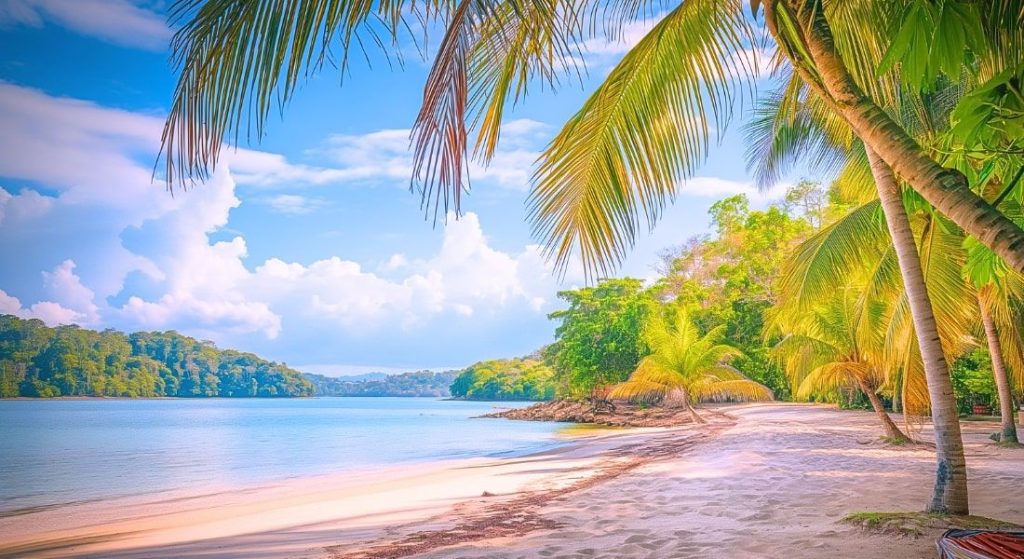
- Natural Beauty: The Canal might be the country’s calling card and the first thing people think of when it comes to Panama. However, Panama’s natural beauty is a close second. It has nearly 2500 miles of coastline between the Pacific Ocean and the Caribbean Sea. The white sand of Panama’s beaches, lapped by the turquoise tropical sea waters, creates an unmatched scene and atmosphere. Panama’s jungles are lush and teeming with life. Its natural beauty rivals that of anywhere else in the world.
- International Hub: Retirees leaving family behind in the US need not worry about travel. It’s as easy to get from the US to Panama as traveling from New York to LA. There are currently 17 US cities with direct flights to Panama City’s Tocumen International Airport. You can also fly to several cities in Europe.
- Expat Community: Panama has been a hotspot for retirees for over twenty years. Within the last few decades, younger professionals, digital nomads, and international executives have been relocating to Panama. Consequently, there are many Americans living in Panama. You don’t even need to speak Spanish to navigate the country.
The Pensionado Program: This program is where Panama gets really attractive to retirees. Pensionado is a visa that offers discounts for foreign retirees living in Panama. Retirees can save up to 50% on certain restaurants, services, and healthcare programs. The visa also allows you to import $10,000 worth of possessions and your car to Panama duty-free. These visa holders can also stay in Panama as long as they like. You will need a Panamanian attorney to assist you in applying for the visa, but the perks are worth it.

Process for Retirees Buying Real Estate in Panama
It is legal for foreigners to own property in Panama. Some people suggest purchasing it through a corporation. Regardless of your decision, you will need a Panamanian attorney to navigate those waters. However, real estate transactions in Panama are similar to those in the US. Plenty of potential legal questions exist; retaining an attorney to help you sort through them is always a good idea.
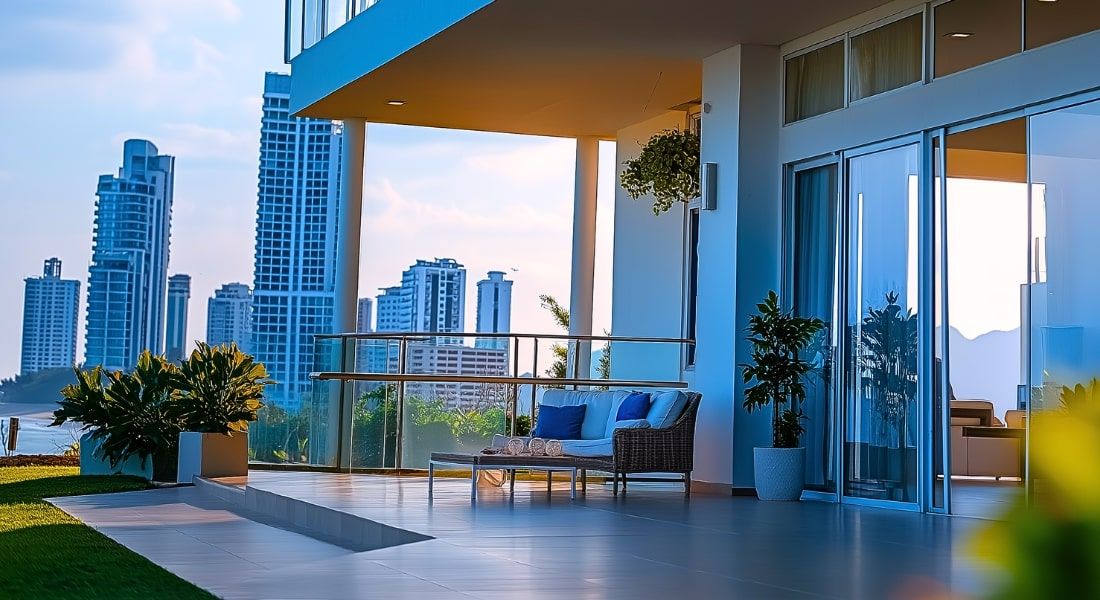
Even though it is a small country, Panama has a diverse real estate market. Places like Panama City and David offer urban living similar to the most metropolitan cities in North America and Europe. Panama’s 2500 miles of coastline offer luxurious and privileged beachfront living. The mountains and jungles provide a more rustic way of life, away from the crowds of the cities and beaches.
Once you have decided where you want to live, it’s time to explore the market. The real estate market in Panama has been consistently expanding over the past several years, except during the pandemic. Panama’s government has aggressively used the real estate market to help grow the economy. One way they’ve done that is by easing restrictions on people moving to the country.
Retirees and expats have a range of good banking options for financing property purchases. Popular financial institutions include Scotia Bank, HSBC, BAC International, and Banco Nacional de Panama.
Just like in the United States, when you apply for a mortgage, you will need to provide documentation. That includes your passport, credit report, bank references, professional references, tax returns, source of income, and more. Then, you’ll need to follow several steps to complete the sale.
You can find a complete list of what you need and a description of the mortgage process here and here.
The entire process of buying property in Panama takes between six to eight weeks. However, buyers should be aware of one more thing. While you don’t need to speak Spanish to get along in Panama, it’s still the nation’s official language. The law doesn’t require contracts to be in Spanish. However, the Spanish version will have legal recognition if a dispute occurs before or after the sale. That’s just something to think about as you navigate the process. You can ask your attorney to write the contract in Spanish and provide an English copy for your records. That could help the process go more smoothly and protect you in the unlikely case of a dispute.
Remember that you’re spending money on more than just the property you purchase. You’ll need to be ready for several peripheral costs associated with buying the property. Those things could include, but are not limited to, traveling to Panama to see the property and hire your attorney. You will also need to cover the cost of your attorney’s fees and any fees for document translation. There will also be fees for appraisals and inspections. You will also pay taxes on the title transfer, the property transfer, and capital gains.
Knowing about and understanding these fees will be critical for ensuring a smooth process when buying a home in Panama.
Finally, it is important to be aware of the potential pitfalls that could arise when buying a home in Panama. While it is a friendly country, and they do a lot to remove obstacles, there’s always the potential for issues. Do your due diligence and find the best real estate agent, which is as important as choosing the right attorney. Before actively looking for property, spend some time in the country. Get to know Panama and its citizens, and you’ll be less likely to be taken advantage of by someone unscrupulous. Study Panamanian real estate and tax laws to avoid unpleasant surprises in those departments.
Are you interested in buying real estate in Panama? The Agency is here to help you find the ideal place to live while you enjoy your retirement. We have a deep understanding of Panama City real estate, as well as the surrounding areas. We can also help guide you through the visa process to see if the Pensionado Program is a good fit for you.
Thanks for visiting!